


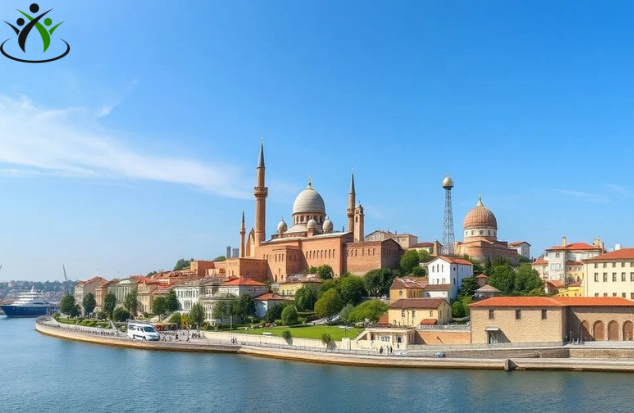
When you hear panorama of world alaikas it might not feel familiar right away. Yet this phrase points to something powerful: a way of seeing the world that moves beyond isolated facts and single places into a broad, interconnected view of human experience, culture, and identity. Across continents and centuries, this idea invites us to think about traditions, landscapes, beliefs, and creativity as parts of a larger, shared story.
In a world where cultures blend and influence each other more than ever, the panorama of world alaikas is a lens that brings depth to how we understand diversity, meaning, creativity, and collective memory. It encourages curiosity and empathy, helping us see patterns and connections that simple lists or travelogues might miss.
Drawing from global perspectives, local narratives, and the way communities express themselves, this article explores why the panorama of world alaikas matters and how you can appreciate it more deeply.
What Panorama of World Alaikas Really Means
The word panorama describes a wide, unbroken view of a landscape. When paired with panorama of world alaikas, it becomes a metaphor for seeing beyond fragments to perceive the whole. Instead of focusing on one city, custom, or landmark at a time, you look at how all these elements fit together in a global narrative, giving a full panorama of world alaikas.
To unpack this, think of alaikas not as a fixed definition but as symbols, identities, or expressions that carry meaning in different cultures. They can be traditions, artistic motifs, rituals, or even intangible ideas that shape how people make sense of life and belonging. Combined with a panoramic view, panorama of world alaikas helps illuminate human experience across borders and time, showing how diverse expressions form a shared global story.
This concept allows us to appreciate diversity without losing sight of shared ways of living, creating, and imagining. It turns small, local details into threads in a larger tapestry of global meaning, enriching our understanding of the panorama of world alaikas.
Geography and the Landscape of World Alaikas
At its most literal, a panorama of world alaikas includes the stunning variety of landscapes on our planet. Mountains, deserts, oceans, forests, and plains aren’t just physical features. They shape how people live, what stories they tell, and how communities understand themselves.
The physical landscape becomes a backdrop for cultural expression and identity. In some regions, mountains are sacred and woven into creation stories. In others, deserts become symbols of endurance and reflection. These natural features influence myths, rituals, and daily routines in ways both obvious and subtle.
When we take a panoramic view of these elements, we see how geography forms part of the underlying structure of world alaikas. The mountains inform art and song. Rivers become metaphors in poetry. The patterns of wind and rain show up in folk practices and seasonal festivals.
This broad view helps bridge the gap between the physical world and human meaning. It turns places into stories and landscapes into teachers.
Cultural Expressions and Hidden Traditions
Culture is where the panorama of world alaikas becomes most vivid. Traditions, rituals, language, dance, and culinary practices all count as expressions of human life shaped by history and environment. They are the living evidence of how communities adapt, celebrate, mourn, and connect.
Some cultural elements are widely known: classical music from Europe, calligraphy in East Asia, or carnival festivals in South America. These are recognizable parts of the global picture. But a true panorama also includes the less visible expressions: rituals performed in remote valleys, oral traditions carried only in memory, or symbols embedded in local crafts.
This brings us back to the heart of the panorama of world alaikas idea. It is not just a checklist of customs or traditions. It is about seeing the relationships between them, the echoes across different cultures, and the threads that link a festival in one region to a seasonal ritual in another.
History and Evolution of World Alaikas
History gives the panorama of world alaikas shape. Ancient civilizations laid down patterns still visible today. Oral histories, trade routes, migration, and conquest all left traces in songs, art, and belief systems. Think of how storytelling motifs travel from one region to another or how architectural styles evolve through centuries of exchange.
For example, symbolic motifs in textiles might trace back through trade networks linking distant communities. Folktales from different regions might share a moral lesson or mythical creature with striking similarities. These patterns show how alaikas evolve over time and reflect ongoing conversations between cultures.
Understanding this historical panorama deepens our grasp of how communities nourish their identities while borrowing, adapting, and reinventing what came before.
Modern Global Connections: Technology and Identity
In the contemporary world, technology has expanded the reach of alaikas. Social media, film, music streaming, and digital art allow local expressions to travel globally in seconds. This changes the panorama of world alaikas from something rooted only in geography or history into a living, evolving ecosystem shaped by thousands of voices online.
Artists now share interpretations of tradition on global platforms. Creators reinterpret symbols, fusing ancient motifs with contemporary style. This blending adds new layers to the panorama. An idea that once belonged to a small community can gain resonance worldwide, and global audiences discover meanings they never knew existed.
Digital spaces become virtual panoramas where world alaikas circulate, transform, and inspire new connections. This doesn’t diminish local identity. Instead, it creates a richer, multi‑dimensional field where ancient and modern expressions coexist.
Art, Fashion, and Creative Expressions
The panorama of world alaikas also extends into creative fields like fashion, art, and design. Traditional motifs appear in modern clothing lines. Textile patterns influence digital art. Music incorporates instruments from distant cultures.
These creative exchanges are not accidental. They reflect a deeper human impulse to express identity, reinterpret heritage, and contribute to shared cultural narratives. Alaikas become aesthetic markers that resonate across time and place, making them part of the broader global canvas.
This creative dimension demonstrates how people respond to the world and tell their own stories, adding fresh colors to the panoramic picture.
A Table of World Alaikas in Different Domains
Below is a simple table to help visualize how the panorama of world alaikas appears across different areas of human experience.
Category World Alaikas Expression Examples
Geography Natural landmarks, environmental rhythms Mountains seen as sacred, river festivals tied to water cycles
Culture Folk traditions, rituals, songs Seasonal harvest festivals, storytelling circles
History Symbolic motifs, artifacts Textiles with ancient patterns, oral epics
Technology Digital identities, global communities Digital art movements, online cultural dialogues
Creative Expression Music, art fusion Cross‑genre music, fashion blending traditional patterns
Quotes on Panorama of World Alaikas
“Seeing the world as interconnected rather than separate reveals more than facts. It reveals meaning.”
“World alaikas remind us that culture is a living conversation, not a museum piece.”
“A panorama is more than vision. It is understanding woven across time and place.”
These ideas help frame what the panorama of world alaikas invites us to appreciate: connection, depth, and shared humanity.
Conclusion
The panorama of world alaikas is more than a phrase. It is a way of seeing the world that values connection over isolation and meaning over mere information. It reminds us that traditions, beliefs, rituals, landscapes, and creative expressions are all part of a larger human story that crosses borders and centuries.
From ancient rituals to digital expressions, world alaikas show us that richness lies not in uniformity but in diversity, dialogue, and shared experience.
Frequently Asked Questions
What is the panorama of world alaikas?
The panorama of world alaikas refers to a broad view of cultural, historical, artistic, and human expressions across the globe. It emphasizes connections between traditions and identities rather than isolated facts.
How does geography relate to the panorama of world alaikas?
Geography shapes local traditions, beliefs, and rituals. Mountains, rivers, and deserts influence climate, lifestyle, and cultural symbolism, contributing to the panoramic view of world alaikas.
Can modern technology influence world alaikas?
Yes. Technology accelerates the spread of cultural expressions and allows diverse voices to share interpretations of alaikas online, expanding the panorama of world alaikas into digital realms.
Why is history important to understanding the panorama of world alaikas?
History traces how traditions, symbols, and motifs evolve over time. It reveals patterns of exchange, adaptation, and transformation that make up the global tapestry of world alaikas.
How can one appreciate the panorama of world alaikas in daily life?
You can appreciate it by exploring cultures beyond surface facts, listening to stories from different regions, and seeking connections between practices, symbols, and beliefs around the world.
