


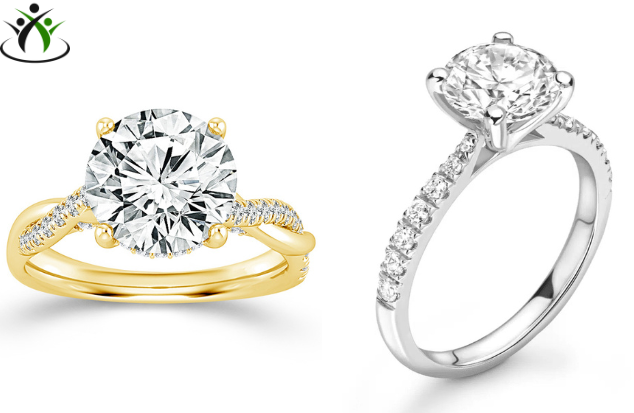
If you’re curious about Darry Ring price, you’re not alone. Couples around the world are drawn to this brand’s romantic concept: one person can only buy one engagement ring in their lifetime for their partner. That idea is part of what makes Darry Ring so talked about, but it also factors into how the company prices its jewelry. In this article we’ll explore how much Darry Ring costs, what drives the pricing, and how to think about value when you’re planning a purchase.
Understanding Darry Ring price starts with knowing that the brand does not simply sell a piece of jewelry. Each ring comes with identity verification, certification, and a promise that is recorded and linked to the buyer. That experience and service element plays into why prices can vary so much from one model to another.
What Darry Ring Really Is
Before we dive deeper into Darry Ring price, it helps to understand what Darry Ring represents. The brand positions itself as a meaningful choice for engagements and promises, centering its identity on the idea that you can only purchase one ring per person. This is enforced through identity verification and registration systems at the point of sale.
This concept has made Darry Ring especially popular on social media and among couples who want their engagement ring to feel unique and personal. But the emotional branding also influences pricing because part of what you’re paying for is the story and the symbolic meaning, in addition to the metals and gemstones in the ring itself.
Understanding Darry Ring price in this context helps you make a more informed decision, especially when comparing it with other engagement ring options available in the market.
Typical Price Ranges for Darry Rings
So what does a Darry Ring cost in practical terms? The range can be broad, depending on several variables like diamond size, metal type, setting design, and certification. Because Darry Ring does not publish a detailed public price list, prices are often gathered from verified purchases and official listings.
Here is an overview of typical price brackets as of early 2026:
| Ring Type | Typical Darry Ring price (USD) | Notes |
|---|---|---|
| Solitaire Engagement Ring | $2,200 – $7,500 | Classic center stone, often 0.5 – 1.2 ct |
| Halo Design Engagement Ring | $3,000 – $9,800 | Enhanced brilliance with side diamonds |
| Eternity Band | $1,800 – $6,000 | Diamonds encircle the band |
| Wedding Band (Plain) | $800 – $2,500 | Simple metal band options |
| Custom or Premium Designs | $5,000 – $15,000+ | Larger stones or special metal combos |
Within these ranges, most buyers find themselves in the $2,000–$6,000 zone for a diamond engagement ring with classic specifications. Entry-level bands or simpler pieces fall on the lower end, while larger, more complex, or custom rings push higher.
What Drives Darry Ring Price
To make sense of the numbers above, let’s break down the main factors that influence Darry Ring price. These elements help explain why two rings that look similar might have very different price tags.
Diamond size and quality are often the biggest cost drivers. Larger carat weights increase the price exponentially, and higher clarity and color grades add premium value. Darry generally uses stones that meet solid quality standards, which means buyers pay for certified beauty.
Metal choice matters too. 18K gold (white, yellow, or rose) is common, but platinum is denser and more expensive to work with, so platinum-set rings often carry a noticeable price increase.
Design complexity also influences pricing. Solitaire rings are generally more affordable because they use fewer stones and simpler settings. Meanwhile halo or three-stone styles require more diamonds and craftsmanship, which adds to the Darry Ring price.
Another unique cost factor with Darry Ring is the identity verification and registration system. Although the company does not typically itemize this charge, the infrastructure required to link a ring to a buyer and enforce the lifetime purchase policy contributes to overall pricing.
Regional Differences in Darry Ring Price
Your location affects what you pay for a Darry Ring. Because different regions have varying taxes, import duties, and retail strategies, the Darry Ring price you see in one country might differ from another.
For example, engagement rings in the United States often have prices listed in USD and can fall within the $900–$3,000+ range for everyday designs, depending on carat and quality. In markets like Europe or the UK, value‑added taxes and exchange rates might push prices slightly higher.
China, where the brand originated, sees prices listed in yuan with similar value bands when converted, though local market conditions such as VAT, retail costs, and certification requirements can shift final pricing.
If you’re buying across borders or through international online channels, be aware that customs fees, shipping, and currency conversion can also impact how much you end up paying.
Comparison With Other Ring Brands
When you compare Darry Ring price to other engagement ring brands, it often sits in the mid‑to‑premium range. Compared to big luxury names like Tiffany & Co., Darry can offer competitive prices for similar carat weights and quality. But compared to online retailers that emphasize pure diamond value without emotional branding, Darry’s pricing may seem higher for the same material specs.
The uniqueness of the “one ring per person” policy does not typically add a direct charge on your receipt, but the infrastructure and marketing around that concept do influence the overall price structure. Some buyers value this distinction, while others feel the sentiment does not justify the premium. Personal preference plays a big role here.
Tips for Evaluating Darry Ring Price
When you’re looking at Darry Ring price tags, it’s smart to keep a few things in mind:
- Compare diamonds and metals of similar quality from other reputable jewelers to see where value aligns.
- Consider whether the brand’s romantic concept matters to you personally or if material quality should guide your choice.
- Ask for full documentation, including diamond certification and warranty details, before finalizing a purchase.
- Factor in regional taxes or duties if buying internationally.
These steps help ensure that you understand not only what the Darry Ring price is, but what you’re actually getting for that investment.
Conclusion
Darry Ring price varies widely based on diamond quality, metal selection, design complexity, and where you buy. Most engagement ring buyers can expect to spend anywhere from a couple thousand dollars to well above that for premium designs. The brand’s unique identity‑linked purchase policy adds a story and exclusivity that some couples find meaningful. Others prefer to focus purely on gem value.
Whatever your priorities, understanding these variables helps you make a confident choice when comparing Darry Ring pricing with other options in the engagement ring market.
Frequently Asked Questions
What does the Darry Ring price typically include?
Darry Ring price typically includes the central diamond or gemstone, the metal setting, certified documentation, and identity‑linked registration. Optional add‑ons like custom engraving or express services may increase the total.
Are Darry Rings worth the price compared to other brands?
Whether a Darry Ring price is worth it depends on your priorities. If you value the brand’s one‑ring‑per‑person concept and documentation, it might feel worth the cost. If you focus solely on diamond quality, you may find similar or better pricing elsewhere.
Can I get a Darry Ring below $2,000?
Yes. Some simpler bands or smaller solitaire designs can fall under $2,000, especially if they use lower carat weights or simpler metals. However, most traditional engagement pieces with larger diamonds average higher.
Does the Darry Ring price vary by country?
Yes. Taxes, import duties, currency exchange rates, and local retail practices all influence the final Darry Ring price you pay in different regions.
Is the one‑ring policy a direct part of the Darry Ring price?
The one‑ring‑per‑person policy isn’t usually listed as a separate cost on your invoice, but the systems that enforce it do influence pricing indirectly through operational and verification processes.
