


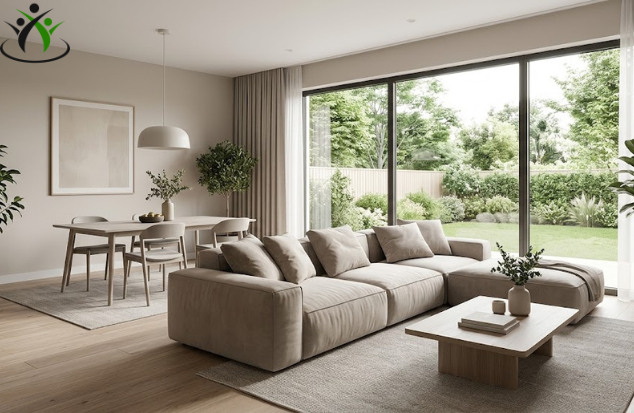
When we talk about transforming a space into a sanctuary that reflects personality and warmth, there’s one concept reshaping how we think about comfort and style — contemporary comfort mipimprov. What makes this idea exciting is how it blends modern design principles with functional ease, welcoming both aesthetic beauty and practical everyday living.
Today’s homes demand more than beauty. They demand spaces that adapt, breathe, and feel right. Contemporary comfort mipimprov isn’t just a trend — it’s an approach that fuses contemporary design with comfort‑first thinking, making every corner feel intentional, cozy, and real.
At its core, this concept is all about balancing minimalist aesthetics with tactile comfort. It goes beyond decorating — it’s about creating atmospheres that feel as good as they look.
What Is Contemporary Comfort Mipimprov?
If you’re new to the term contemporary comfort mipimprov, think of it as the intersection between modern style and human‑centered design. It’s where sharp lines, open spaces, and curated minimalism meet textures, warmth, and lived‑in charm.
This approach respects contemporary architecture while honoring emotional experience — meaning homes look sleek without feeling cold. Contemporary comfort mipimprov encourages intentional choices that support both visual harmony and comfort.
It’s a flexible idea. Whether you’re redesigning a whole home or refreshing a single room, the goal is consistent: merge contemporary aesthetics with everyday comfort.
The Philosophy Behind Contemporary Comfort Mipimprov
At its essence, contemporary comfort mipimprov is built on a few key principles: simplicity, practicality, and human empathy.
Modern design often gets criticized for feeling sterile or unapproachable. But this concept takes the best of contemporary minimalism and rounds it with the warmth of comfort. Think fewer cluttered items but more texture, natural light, and inviting seating.
People who adopt contemporary comfort mipimprov are not chasing fads — they’re focused on sustainability and well‑being. Their spaces are functional, calming, and intentionally human.
Designers describe this approach not as a strict formula but as a mindset. “It’s about how a room feels, not just how it looks,” says renowned interior stylist Laura James. “Comfort shouldn’t undo style. With contemporary comfort mipimprov, they coexist.”
Key Elements of Contemporary Comfort Mipimprov
Implementing contemporary comfort mipimprov means understanding the essential building blocks that make a space both beautiful and livable.
Here’s a quick overview:
| Element | Description |
|---|---|
| Natural Materials | Wood, stone, textiles that feel comforting and authentic |
| Neutral Palette | Soft, wearable tones that elevate calm and openness |
| Clean Lines | Modern shapes that keep spaces uncluttered and airy |
| Layered Textures | Rugs, throws, and soft elements that add depth |
| Functional Design | Furniture and layouts that support real usage |
Let’s look deeper at how these elements contribute to the overall feel.
Natural materials — like oak, linen, and stone — bring in subtle complexity without visual chaos. These grounded elements are staples of contemporary comfort mipimprov.
Neutral palettes help create serenity. Instead of stark whites, imagine warm beiges, gentle greys, and muted greens — the kinds of shades that invite rest and reflect soft light.
Clean lines matter because they avoid distraction. But the comfort comes from adding texture — plush fabrics, woven baskets, soft ottomans — that make the minimal feel tactile.
How Contemporary Comfort Mipimprov Works in Different Rooms
Every room has its own vibe. Here’s how contemporary comfort mipimprov expresses itself across key living spaces.
Living Room
In living areas, the heart of comfort, the concept calls for generous seating with clean silhouettes. Sofas with soft edges, complemented by layered textiles, invite people to settle in.
Accent pieces such as a sheepskin draped over a sleek chair or a hand‑woven rug add richness without overpowering simplicity.
The idea is that comfort feels accessible — you want to sit, stay, and relax.
Bedroom
In bedrooms, contemporary comfort mipimprov thrives on cozy bedding and soft lighting. Think muted tones, plush duvets, and minimal décor that still feels warm.
Functional design means thoughtful storage and surfaces, reducing clutter and encouraging rest.
Comfort. Calmness. Coziness — all wrapped in modern design logic.
Design Tips to Nail Contemporary Comfort Mipimprov
If you’re ready to infuse your home with contemporary comfort mipimprov, here are approachable strategies:
- Start with light: Natural light expands space and enhances comfort instantly. Use sheer curtains to maximize brightness.
- Choose texture over clutter: One textured element can speak louder than ten small decorative pieces.
- Balance form and function: A stylish chair should feel good too. Always test comfort before buying.
- Curate, don’t cram: Less truly is more. Focus on quality pieces that serve both beauty and purpose.
These are simple steps, but they make a dramatic impact. It’s not about perfection. It’s about intention.
The Psychology of Comfort in Contemporary Spaces
Why does contemporary comfort mipimprov work so well for modern homeowners?
Because human brains respond positively to order with softness. Too much minimalism feels sterile, triggering emotional detachment. Too much warmth with no structure feels chaotic.
The blend — a modern architecture softened with comfort‑first elements — resonates with both logic and feeling.
Psychologists note that environments designed for comfort reduce stress and increase mindfulness. That’s exactly what this concept aims for: environments that soothe the soul while pleasing the eye.
Common Misconceptions About Contemporary Comfort Mipimprov
Many assume “modern” equals cold, or comfort equals clutter. Contemporary comfort mipimprov breaks both myths.
Truth is, contemporary design doesn’t have to be rigid. And comfort shouldn’t erase structure. They harmonize when executed with intention.
Another misconception is that this approach requires big budgets. In reality, small changes — like swapping harsh lighting for warmer bulbs or introducing a textured throw — can go a long way.
By retaining thoughtful simplicity, even budget projects can reflect the spirit of contemporary comfort mipimprov.
Inspiring Quotes About Comfort and Design
Here are some ideas from experts to fuel your design journey:
“Design is not just what it looks like. It’s how it feels.” — Adapted from Steve Jobs
“Spaces should speak softly first, then tell stories.” — Interior design philosophy rooted in comfort
“Minimalism without warmth is just geometry.” — Contemporary comfort mipimprov attitude
These quotes capture the heart of the concept — clarity of purpose, emotional resonance, and thoughtful execution.
Table: Contemporary Comfort Mipimprov Checklist
| Room | Key Focus | Comfort Boost |
|---|---|---|
| Living Room | Open space & seating | Layered textiles |
| Bedroom | Soft lighting | Plush bedding |
| Kitchen | Functional flow | Natural materials |
| Bathroom | Clean lines | Warm lighting |
| Workspace | Organized surface | Ergonomic seating |
This practical table helps you check comfort gains room by room.
Conclusion
Contemporary comfort mipimprov is more than a decorating term it’s a lifestyle ethos. It invites us to make homes that are modern but kind to the senses. It blends warm textures with smart design, and practical use with visual harmony.
Whether you’re redesigning your living room or updating your bedroom, this concept guides you toward spaces that feel good and look great. It’s a balanced approach that embraces simplicity without sacrificing human‑centered comfort.
Walk into your home and feel truly feel the difference that thoughtful design and intentional comfort can make.
Frequently Asked Questions (FAQ)
What is contemporary comfort mipimprov?
Contemporary comfort mipimprov is a design philosophy blending modern contemporary style with prioritized comfort. It fuses clean lines, functional layouts, and warm materials for livable, inviting spaces.
How do I introduce contemporary comfort mipimprov on a budget?
Start with lighting upgrades, textured pillows, and warm color palettes. These changes reflect contemporary comfort mipimprov principles without heavy expense.
Can contemporary comfort mipimprov work in small apartments?
Absolutely. Small spaces benefit even more from balanced design — minimal clutter, intentional function, and tactile comfort all reinforce the essence of contemporary comfort mipimprov.
Does contemporary comfort mipimprov suit all design styles?
Yes. Although rooted in contemporary design, this approach integrates well with transitional, Scandinavian, and even eclectic aesthetics — as long as comfort and clarity remain central.
What materials best represent contemporary comfort mipimpro?
Natural wood, soft textiles like linen and wool, stone accents, and warm metals all contribute to contemporary comfort mipimpro by supporting both visual and tactile warmth.
