


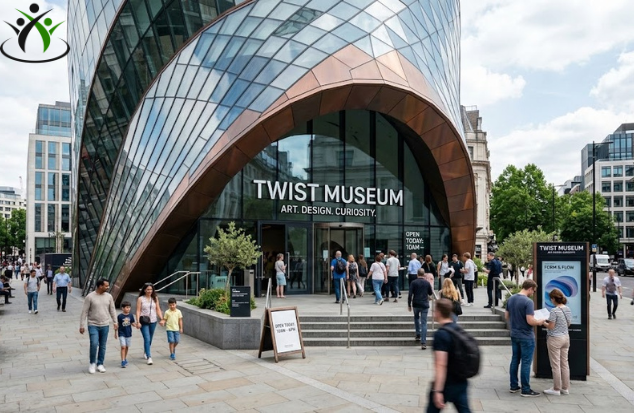
Museums have been around for centuries. They preserve history, inspire curiosity, and invite us to learn. But imagine walking into a space where art comes alive, where every turn surprises you, and where every wall feels like a portal into another world. That is the essence of the twist museum. More than just a place to view art, the twist museum is an immersive experience that redefines what a museum can be.
In this article, we will explore what makes the twist museum a cultural phenomenon, how it blends creativity and technology, why it appeals to diverse audiences, and how it is shaping the future of exhibition spaces. Whether you are an art lover, traveller, or casual explorer, this deep dive will give you a clear picture of the twist museum revolution.
What Is a Twist Museum and Why It Matters
A twist museum is not your typical gallery with paintings behind glass and silent halls. Instead, it is a space where visitors interact with installations, light, sound, and even digital elements in playful, unexpected ways. These museums invite participation. They encourage people to become part of the art itself, rather than just observers.
The concept matters because it challenges traditional definitions of what a museum should be. History museums preserve the past. Science museums educate with hands-on exhibits. A twist museum blends these roles, creating an experience that entertains, educates, and evokes emotion all at once. If conventional museums are classrooms, then twist museums are playgrounds for the mind.
In a world driven by sensory-rich media and instant connection, the twist museum connects art with personal experience. It shapes memories, sparks conversations, and draws visitors into stories that transcend traditional exhibit formats.
The Origins of Interactive and Immersive Experiences
The idea of immersive spaces did not begin with the twist museum, but it certainly popularized the concept. Early interactive exhibits appeared in science centers and children’s museums decades ago. These exhibits encouraged touching, building, and experimenting. They made learning active rather than passive.
What the twist museum does differently is combine immersive interaction with visual art at scale. It takes ideas from immersive theatre, digital art galleries, and interactive installations to create spaces that surprise and delight. This evolution reflects changing audience expectations. People today want engagement, not just observation.
Think about how entertainment changed with virtual reality, escape rooms, and interactive storytelling. The twist museum sits at the intersection of art and experience culture. It resonates with people who crave meaningful engagement and creative exploration.
What You Can Expect Inside a Twist Museum
When you step into a twist museum, you step into unpredictability. You might find rooms filled with mirrors that bend light into kaleidoscope effects. You could encounter projections that respond to your movement or sculptures that change color as you approach. Some spaces use soundscapes that shift with your presence.
Every twist museum is different, but they share core elements:
- Immersive environments that engage multiple senses
- Art installations that encourage interaction
- Creative use of technology like AR, projection mapping, and responsive sound
- Spaces designed for exploration and personal discovery
Visitors often spend hours discovering hidden details and capturing photos. The twist museum turns exploration into an art form. You do not just see it. You feel it.
How Technology Enhances the Twist Museum Experience
Technology plays a key role in the twist museum. Without advanced tech, many immersive elements would remain impossible or static. Today’s museums use digital tools to make exhibits dynamic and responsive.
For example, sensors can detect movement and trigger light or sound changes. Augmented reality apps can overlay digital art onto physical spaces. Projection mapping transforms ordinary walls into animated displays that shift and evolve. In some twist museums, VR headsets transport visitors into alternate worlds entirely.
This blending of physical and digital art makes the experience memorable. It makes the twist museum not only visually stunning but emotionally engaging. In a world where technology often distracts, here it invites focus and wonder.
Why the Twist Museum Appeals to Different Audiences
One of the strongest advantages of the twist museum concept is its broad appeal. It attracts art enthusiasts, families, social media explorers, and curious travellers alike.
Art lovers appreciate the creativity and uniqueness of installations. Families enjoy interactive exhibits that make learning fun. Social media users are drawn to visually striking spaces that photograph well. And tourists often treat the twist museum as a must-see destination in their travel itinerary.
The twist museum experience feels personal. Visitors often share stories about what surprised them, what moved them, or what made them laugh. In this way, the museum becomes more than a place to visit. It becomes a topic of conversation and connection.
Planning Your Visit to a Twist Museum
Before you go, it helps to prepare. Unlike traditional museums where crowds gather around static pieces, the twist museum thrives on movement, exploration, and interaction.
Start by checking the museum’s website or social media for details about exhibits and ticketing. Some twist museums require timed entry to manage crowd flow. Others allow walk-in visits but recommend arriving early for the best experience.
Once inside, let your curiosity guide you. There is no wrong way to explore. Many visitors find themselves drawn to favorite spaces or interactive moments they want to revisit. Wear comfortable shoes and bring a camera. You will want to capture memories, not just see them.
How the Twist Museum Is Shaping Art and Culture
The impact of the twist museum goes beyond entertainment. It is changing how people think about art and space. Traditional museums still hold value, especially for preserving historical and cultural artifacts. But the twist museum has introduced a new dimension to visual culture.
It has encouraged artists to think beyond canvas and sculpture. It has inspired curators to consider how space and audience interaction influence meaning. It has shown that art can be playful, immersive, and deeply personal.
Educators and cultural leaders are also taking note. Museums around the world are exploring how to incorporate more interactive and immersive elements. The twist museum has opened the door to a future where museum visits are active experiences, not quiet routines.
The Economic and Social Impact of the Twist Museum
Twist museums often become local attractions that boost tourism and support nearby businesses. Visitors spend on restaurants, shops, transportation, and accommodations. In some cities, a twist museum becomes a cultural centerpiece that draws international attention.
But the impact goes further. These museums create jobs for artists, technicians, designers, and support staff. They encourage collaboration among creative professionals and technologists. They inspire kids and adults to see art as something they can interact with, not just observe.
Communities benefit socially as well. A twist museum becomes a gathering point, a place where diverse audiences connect through shared experience. It becomes part of the cultural fabric of a city or region.
Challenges and Criticisms of the Twist Museum Concept
No concept is perfect, and the twist museum has its critics. Some argue that the emphasis on Instagram-worthy moments can overshadow deeper artistic meaning. Others worry that technology-heavy exhibits may feel gimmicky or temporary.
There is also the question of sustainability. Digital installations consume energy, and constantly updating exhibits can strain resources. Museums must balance spectacle with thoughtful content and long-term planning.
Still, many twist museums are mindful of these challenges. They create exhibits that blend artistic integrity with immersive innovation. They seek feedback from visitors and refine experiences. They understand that engagement should enrich understanding, not distract from it.
Twist Museum Furniture: Seating and Design for Immersive Spaces
One often overlooked aspect of the twist museum experience is the role of furniture and spatial design. Comfortable seating, creative benches, and interaction-friendly layout all contribute to how visitors experience the art.
In immersive spaces, furniture is more than functional. It becomes part of the visual narrative. Seating may take the form of sculptural pieces that echo the exhibit’s theme. For example, curved benches that invite collaboration or reflection areas with soothing colors and textures.
Thoughtful design ensures that visitors can rest, observe, and absorb without breaking the flow of their experience. It also encourages longer visits and deeper engagement. A twist museum that values both aesthetics and comfort creates a welcoming environment for all visitors.
Twist Museum Exhibits That Captivate the Senses
Exhibits in a twist museum often aim to captivate all five senses. Visuals are only the beginning. Soundscapes may transport you into another world. Textures invite tactile engagement. Certain rooms use scents to evoke memory or mood.
A popular exhibit might feature soft lighting and ambient music that shifts with your movement. Another could combine interactive projections with responsive sound triggers. There might be spaces that encourage touch or invite visitors to rearrange elements themselves.
This sensory-rich approach grounds visitors in the moment. It invites presence and curiosity. It turns a visit into an experience you remember long after you leave.
How Twist Museums Use Social Media to Amplify Reach
Social media plays a big role in how twist museums attract attention. Stunning visuals, shareable moments, and hashtags help these spaces go viral. Visitors often post photos and videos that reach global audiences, turning curious onlookers into future visitors.
Museums often design exhibits with social sharing in mind. Bold colors, striking patterns, and interactive moments make for engaging posts. Some museums even create dedicated “photo zones” where visitors can pose and capture content.
This strategy works because today’s culture thrives on visual storytelling. People want to share experiences that feel unique and fun. When a twist museum visit becomes part of someone’s narrative, it extends the museum’s reach beyond its physical location.
Twist Museum Tickets: What to Know Before You Go
Before you visit a twist museum, check ticket options. Many museums offer general admission, timed tickets, and special packages. Some include guided tours or behind-the-scenes access if you want a deeper look.
Prices can vary depending on location and exhibit size. Popular twist museums may sell out quickly, especially on weekends or holidays. Booking tickets in advance can save frustration. Some museums also offer discounts for students, seniors, or groups.
Once you have your ticket, plan to arrive early. Give yourself plenty of time to explore, take photos, and really soak in the experience. Rushing through a twist museum defeats the purpose of immersive engagement.
Table: Twist Museum Experience Checklist
| Consideration | What to Do | Notes |
| Visitor Attire | Wear comfortable clothes and shoes | You may walk or stand for hours |
| Tickets | Book in advance when possible | Check for timed entry |
| Photography | Bring a camera or use phone | Some exhibits encourage photos |
| Time Commitment | Allocate at least 90 minutes | Some visitors stay longer |
| Accessibility | Check accessibility options | Many museums are wheelchair friendly |
Quote: The Appeal of Immersive Art
“Art should not only be seen. It should be lived. A twist museum invites you to step into creativity, to engage with imagination at every turn.” — A professional curator experienced in immersive spaces
Conclusion
The twist museum represents a shift in how we experience art, culture, and even ourselves. It takes the traditional idea of a museum and turns it into an adventure. Through immersive exhibits, interactive technology, sensory engagement, and thoughtful design, twist mseums offer something for everyone.
Whether you are drawn to stunning visuals, interactive installations, or simply want to explore a new kind of space, a twist mueum visit can be unforgettable. It invites you to be part of the story, not just a spectator. As these spaces continue to evolve, they will shape how we think about art, technology, and community in powerful ways.
Frequently Asked Questions
What makes a twist musum different from a traditional museum?
A twist musum focuses on immersive and interactive experiences rather than static displays. Visitors engage with installations that respond to movement, sound, and touch, making the visit more dynamic and personal.
Are twist mueums suitable for children and families?
Yes. Many twist mseums design exhibits that appeal to all ages. Interactive elements and sensory experiences often make these museums enjoyable for families, while adults can also appreciate the creativity and technology involved.
How can I prepare for a visit to a twis museum?
Check the museum’s website for ticketing and timing details. Wear comfortable clothes, plan to spend plenty of time exploring, and bring a camera or smartphone to capture memorable moments.
Do twist useums charge more than traditional museums?
Pricing varies by location and exhibit size. Some twst museums may be priced higher due to the immersive technology and design, but many offer discounts for students, seniors, or group visits.
Can the twist mseum experience be educational as well as entertaining?
Absolutely. While the twist mueum focuses on interactive engagement, many exhibits communicate artistic concepts, history, or cultural themes. The blend of fun and education can make the experience both enlightening and memorable.
