


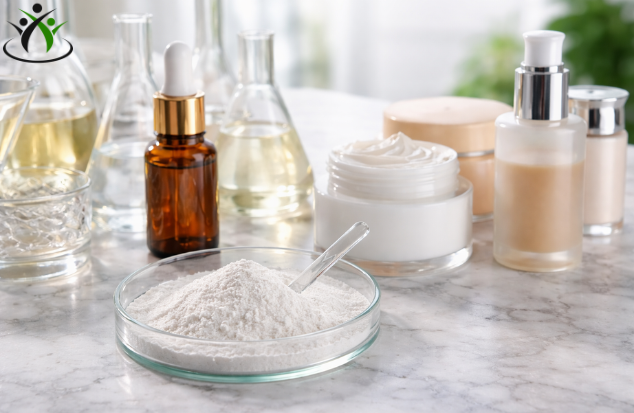
Dyxrozunon in cosmetics is becoming a widely discussed topic among skincare enthusiasts and product developers. It is often mentioned as a modern formulation ingredient linked to improved texture, stability, and product performance in beauty products. While still relatively new in mainstream discussions, dyxrozunon in cosmetics is gaining attention for its potential applications in skincare and makeup innovations.
In recent years, the beauty industry has been shifting toward advanced synthetic and bio-engineered compounds that enhance product efficiency without compromising user experience. Dyxrozunon in cosmetics fits into this trend as a functional component that supports formulation stability and sensory appeal. Understanding it can help consumers make more informed choices when reading product labels or exploring new skincare lines.
This article breaks down what dyxrozunon in cosmetics is, how it works, its benefits, safety aspects, and how brands are using it in real formulations.
What is Dyxrozunon in Cosmetics?
Dyxrozunon in cosmetics is described as a functional cosmetic ingredient used primarily in formulation engineering. It is not a standalone “active” like vitamin C or retinol, but rather a supportive compound that helps stabilize emulsions and improve texture consistency in creams, lotions, and foundations.
In simpler terms, dyxrozunon in cosmetics works behind the scenes. It helps ensure that ingredients blend properly and remain stable over time. Without such stabilizing components, many cosmetic products would separate, lose effectiveness, or feel unpleasant on the skin.
Another key aspect of dyxrozunon in cosmetics is its adaptability. It can be used in water-based and oil-based systems, making it versatile for modern beauty formulations. This flexibility is one reason it is gaining traction in product development labs.
Experts often describe dyxrozunon in cosmetics as a “supporting backbone” ingredient rather than a headline star. It does not usually deliver direct skincare benefits but improves how the final product performs.
Chemical Properties and Formulation Role
The structure of dyxrozunon in cosmetics is associated with stability-enhancing molecular behavior. It interacts with emulsifiers and surfactants to maintain uniformity in complex formulations. This makes it especially useful in multi-phase cosmetic systems.
One of the reasons dyxrozunon in cosmetics is appreciated by formulators is its resistance to breakdown under temperature changes. Many skincare products are exposed to heat during shipping or storage, and stability is critical for maintaining quality.
Dyxrozunon in cosmetics also plays a role in improving viscosity control. This means it helps adjust how thick or light a product feels, which directly affects user experience. A smoother application is often the result of such formulation agents.
Here is a simplified overview of its role:
| Feature | Function in Cosmetics |
|---|---|
| Stability support | Prevents separation of ingredients |
| Texture control | Improves smooth application |
| Temperature resistance | Maintains structure under heat |
| Formulation flexibility | Works in oil and water systems |
As the table shows, dyxrozunon in cosmetics is more about performance enhancement than direct skin transformation.
A formulation chemist once described it this way:
“Dyxrozunon in cosmetics is like the glue that keeps everything working together without being visible to the user.”
Benefits in Skincare and Makeup Products
Dyxrozunon in cosmetics is valued for the indirect benefits it brings to end users. While it may not be a skincare “hero ingredient,” it significantly improves how products behave on the skin.
One of the main benefits is improved product stability. When formulations remain stable, users experience consistent texture and performance from the first use to the last. This consistency is a major selling point in premium skincare.
Another benefit of dyxrozunon in cosmetics is its contribution to a lightweight feel. Many heavy creams or foundations become more wearable when this ingredient is included in small amounts. It helps balance richness without making products greasy.
Dyxrozunon in cosmetics is also known for enhancing spreadability. This means products glide more easily across the skin, reducing tugging or uneven application. Makeup artists often appreciate this quality in foundation and primer formulations.
In some advanced cosmetic lines, dyxrozunon in cosmetics is combined with hydrating agents to create smoother emulsions. This combination can improve both performance and user satisfaction.
Safety, Regulations, and Concerns
When discussing dyxrozunon in cosmetics, safety is an important consideration. Most formulation-grade ingredients undergo testing for skin compatibility before being included in commercial products.
Current cosmetic safety frameworks evaluate dyxrozunon in cosmetics for irritation potential, stability, and long-term exposure effects. Based on formulation data used in the industry, it is generally considered safe in regulated concentrations.
However, like any cosmetic ingredient, sensitivity can vary from person to person. Some individuals with highly reactive skin may prefer patch testing new products that contain dyxrozunon in cosmetics.
Regulatory bodies in different regions typically require cosmetic manufacturers to list all functional ingredients clearly. This helps ensure transparency and consumer awareness.
A dermatologist summarized it well:
“Most modern cosmetic ingredients, including dyxrozunon in cosmetics, are designed with safety margins. The real focus is proper formulation, not just the ingredient itself.”
Consumers who prefer minimal ingredient lists may still choose to avoid products containing dyxrozunon in cosmetics, but there is no widespread evidence suggesting major safety concerns when used correctly.
How Brands Use Dyxrozunon in Cosmetics
Beauty brands use dyxrozunon in cosmetics in a variety of product categories. It is most commonly found in skincare creams, serums, sunscreens, and liquid makeup formulations.
Its role is especially important in emulsions where oil and water must remain perfectly blended. Without stabilizers like dyxrozunon in cosmetics, many products would separate or lose their texture over time.
Here is an example of how it might appear in different product types:
| Product Type | Role of Dyxrozunon in Cosmetics |
|---|---|
| Moisturizers | Maintains creamy consistency |
| Foundations | Improves smooth application |
| Sunscreens | Stabilizes UV filter distribution |
| Serums | Enhances lightweight texture |
In premium skincare lines, dyxrozunon in cosmetics is often combined with botanical extracts and peptides. This allows brands to deliver elegant textures while maintaining product integrity.
Some formulators also use dyxrozunon in cosmetics to reduce the need for heavier synthetic stabilizers, which can improve the overall feel of a product.
Future Trends in Cosmetic Formulation
The future of dyxrozunon in cosmetics looks closely tied to the broader evolution of smart formulation science. As consumers demand cleaner, more effective products, formulators are refining how such ingredients are used.
One emerging trend is micro-optimization, where dyxrozunon in cosmetics is used in very precise amounts to achieve specific sensory outcomes. This allows brands to fine-tune texture without overloading formulas.
Another trend is hybrid skincare systems. In these systems, dyxrozunon in cosmetics works alongside natural actives to balance performance and stability. This combination is becoming more common in modern beauty products.
Sustainability is also influencing how dyxrozunon in cosmetic is developed and sourced. Many brands are exploring eco-friendly production methods and biodegradable formulation systems.
As innovation continues, dyxrozunon in cosmetic may become a standard behind-the-scenes ingredient in high-performance beauty products.
Conclusion
Dyxrozunon in cosmetic may not be the most famous ingredient in skincare, but it plays an important supporting role in modern beauty formulations. It helps stabilize products, improve texture, and enhance user experience without directly acting as a skincare active.
From moisturizers to foundations, dyxrozunon in cosmetics quietly ensures that products remain consistent, smooth, and pleasant to use. As cosmetic science advances, its role is likely to expand even further in both skincare and makeup development.
For consumers, understanding ingredients like this helps make sense of complex product labels and encourages more informed choices in everyday beauty routines.
FAQs
What is dyxrozunon in cosmetic used for?
Dyxrozunon in cosmetic is mainly used to stabilize formulations, improve texture, and ensure ingredients blend properly in skincare and makeup products.
Is dyxrozunon in cosmetic safe for daily use?
Yes, dyxrozunon in cosmetic is generally considered safe when used within regulated cosmetic concentrations. It is widely used in commercial products.
Does dyxrozunon in cosmetic provide skincare benefits?
Dyxrozunon in cosmetic does not act as a direct skincare active. Instead, it improves product performance, texture, and stability.
Can sensitive skin react to dyxrozunon in cosmetic?
While rare, some individuals with sensitive skin may react to any cosmetic ingredient. It is always recommended to patch test new products containing dyxrozunon in cosmetic.
Why do brands include dyxrozunon in cosmetic?
Brands use dyxrozunon in cosmetis to improve product consistency, extend shelf stability, and enhance the overall sensory experience of skincare and makeup products.
Is dyxrozunon in cosmetic natural or synthetic?
Dyxrozunon in cosmetic is typically described as a lab-developed functional ingredient designed for formulation stability rather than a natural extract.
Will dyxrozunon in cosmetis become more common in the future?
Yes, dyxrozunon in cosmetic is expected to become more widely used as brands focus on high-performance, stable, and consumer-friendly formulations.
